


Five members of staff at an Oldham specialist school have qualified or started professional training this year as the school encourages apprenticeships as an alternative route into education careers.
Chances Mentoring, an independent specialist school in Chadderton, provides primary and secondary education for pupils across Greater Manchester whose needs are not being met in mainstream settings.
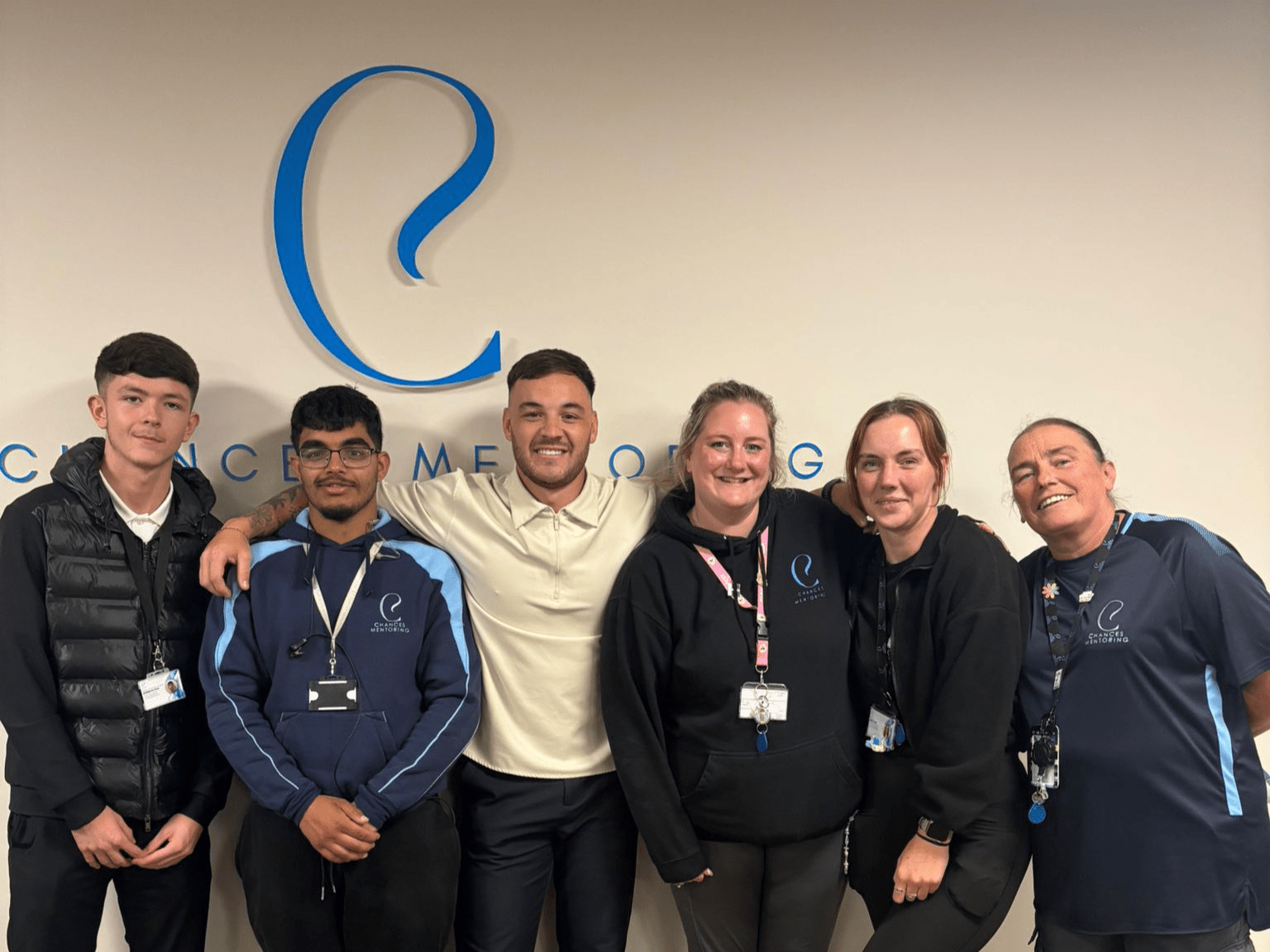 The school has been investing in developing its existing workforce, with five members of staff either completing qualifications or beginning apprenticeships during the year.
Among them is Jane Turner, who is completing a Level 3 Teaching Assistant apprenticeship and is one of the school’s older apprentices.
Jane said taking on an apprenticeship later in life can bring its own challenges, but that her experience has also helped her in the classroom.
“Doing an apprenticeship as an older adult can feel challenging at times. I can feel different to the younger staff, but I also bring life experience to the role.
“I’m proud of learning something new, and that it’s never too late to learn and grow.”
Emily Lees, who was the school’s first apprentice, completed her training last year, while Hammad Ali has completed his Level 3 Teaching Assistant apprenticeship.
Two further members of staff are currently working towards qualifications.
Louise Taylor is undertaking a Level 3 Teaching Assistant qualification with a specialism in special educational needs and disabilities (SEND), while Ronnie Watson started a business administration apprenticeship this month.
Callum Siddall, founder and director of Chances Mentoring, said developing staff within the school was important to ensuring pupils received consistent support.
He said: “Investing in our team is how we make sure our young people get the support they need.
“Apprenticeships let staff learn while they work, so what they study goes straight into the classroom.
“Several of the people qualifying this year started with us in support roles and are now building professional careers here.
“Apprenticeship routes suit our workforce, because the job needs practical experience alongside formal training.”
The school said developing staff internally also reduces its reliance on external recruitment and helps ensure its team remains aligned with its therapeutic approach to education.

You must be logged in to post a comment.