


DOZENS of Saddleworth landmarks have been put forward to be included in a new heritage list.
The Greater Manchester Archaeological Advisory Service (GMAAS) is putting together sites that should be protected under planning regulations as part of its local heritage listing campaign.
The aim is to stop buildings that make a contribution to an area’s history from being demolished and landmarks being removed.
While national listing – Grade I*, I, II and so on – provides statutory protection to about 500,000 buildings across England, buildings on local lists are better protected from development.
And as Oldham is preparing to join Stockport and Salford as having a local list, several sites in Saddleworth have been put forward.
Among them are several homes, churches, mils, schools, pubs and milestones. Even a gas lamp, a weir and a signal box have been included.
Now public consultation will decide which make the local list as the GMAAS states: “This is intended to encourage communities to nominate historic buildings and other heritage assets which they value most for inclusion in their council’s Local List, helping to protect them through the planning system.
“The process of listing England’s most special and distinctive historic buildings and structures began after the Second World War, but was never completed and many buildings that are important locally have gone unrecognised and are not protected from development.”
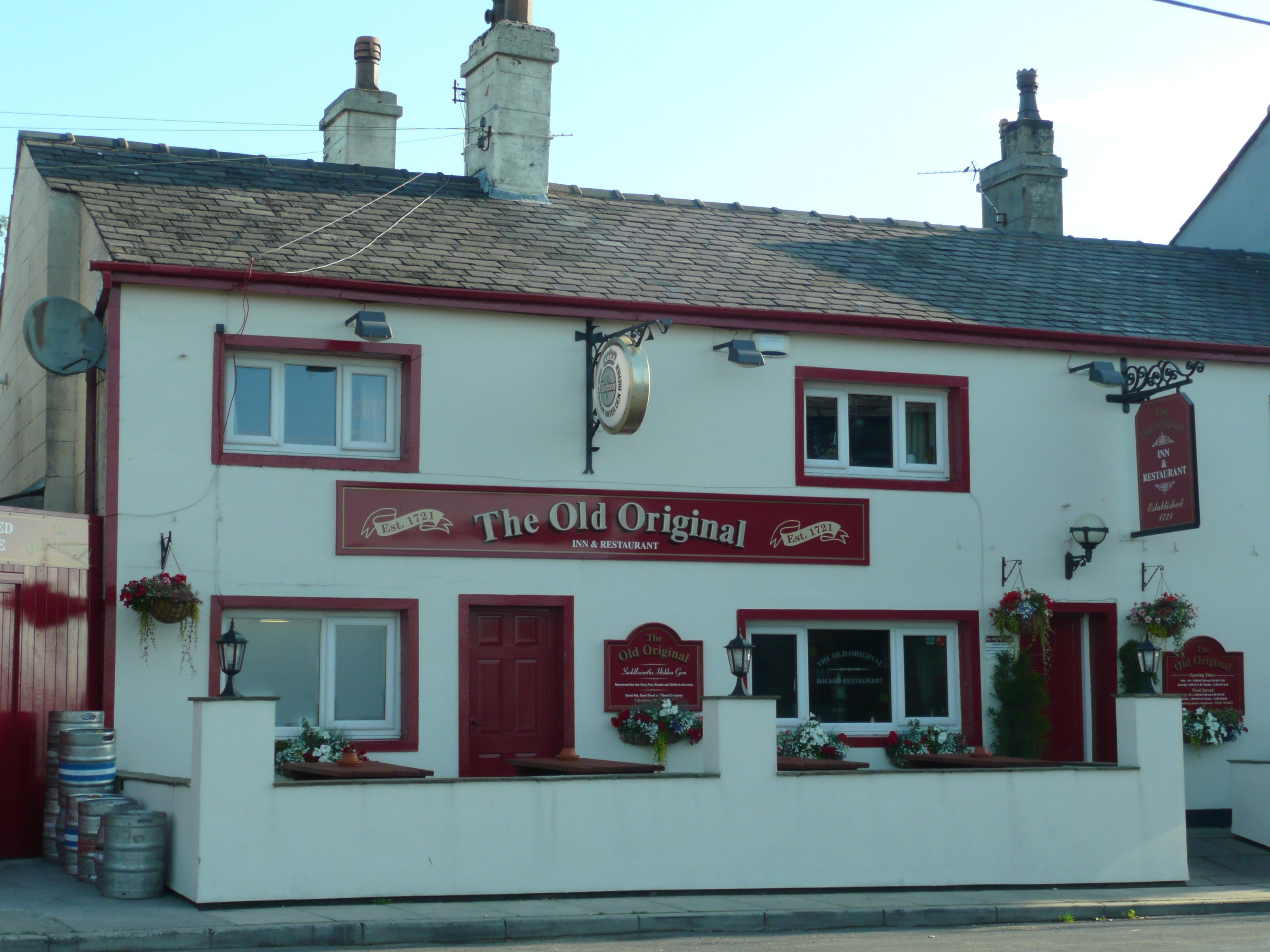
Among Saddleworth’s standouts from a very long list is Scouthead’s Old Original, on Thurston Clough Road, with its listing stating: “A public house that is shown on a township plan of 1822 and on the Ordnance Survey mile map of 1850, but the decorated façade of the pub makes reference to being established in 1721.
“The overall building has positive aesthetic value and makes an important contribution to the character and appearance of Doctor Lane Head.
“The pub lies at the heart of the local community and has long served the local area.”
Others put forward include Denshaw Vicarage, the pump house, manager’s office and valve house at Castleshaw Reservoir, as well as the Castleshaw Centre.
Phone boxes at Greenfield and Uppermill are also on the list, as are 12 canal locks and Uppermill’ former Natwest Bank building.
GMAAS assessment of Diggle Mill Weir says it is: “A good example of a 19th-century weir. The weir provides a physical reminder of the area’s early industrial heritage.
“It reflects the former importance of water powered to the industrial and economic development of the area, affording historic character and aesthetic value to this section of the Diggle Brook.”

A gas lamp on Carr Lane in Diggle, dating back to the late 18th century but still in working order, is also listed.
“Although modest in scale, the lamp has positive aesthetic value both in its own right and in terms of the contribution made to the character and appearance of its wider setting,” the report says.
“The lamp has a group value with the other four of its type that survive elsewhere in Oldham and with other historic highway infrastructure that assists to provide an understanding of how highways and communities functioned.
“Very few historic gas lamps survive in working order. Although small in scale, this lamp is likely to be a notable landmark.”
Two Delph landmarks – the former station and Millgate Arts Centre – have made the list, along with Greenfield’s Boarshurst Centre, described as ‘the oldest surviving school building in Saddleworth, which is still in use.’

A submission about Saddleworth’s Civic Hall tells how it has, ‘played a significant role in the lives of local residents for more than 150 years.’
While for Grasscroft’s Farrars Arms pub, the GMAAS details: “It is referred to as Shaw Hall in the Saddleworth Church Register for 1762, which records Radcliffe Whitehead as the innkeeper.
“The tenancy of the Farrars Arms was advertised in the Manchester Guardian on 3 March 1832, which stated that there was a brewhouse, barn stables and other outbuildings, together with approximately 20 acres of land.
“The Farrars were the Lords of the Manor and the Whiteheads were their agents, responsible for collecting rents from the tenants.”
On Saddleworth as a whole, the GMAAS stats: “It has a rich history of human occupation that stems from at least the first century, when the Roman military constructed a road from Chester to York and established a fort at Castleshaw to defend and patrol the local section of the road.
“There are numerous place names derived from Celtic and Anglian dialects, along with the discovery of flint arrowheads and Viking jewellery
“The first documentary reference to Saddleworth appears in the Domesday Survey of 1086, where it is referred to as ‘Thoac.’
“Unlike the majority of the Oldham Metropolitan Borough, where the industrial architecture was generally constructed from Accrington red brick, Saddleworth’s textiles mills and supporting infrastructure was made from the local millstone grit, affording the buildings with a distinct appearance locally,”

You must be logged in to post a comment.