


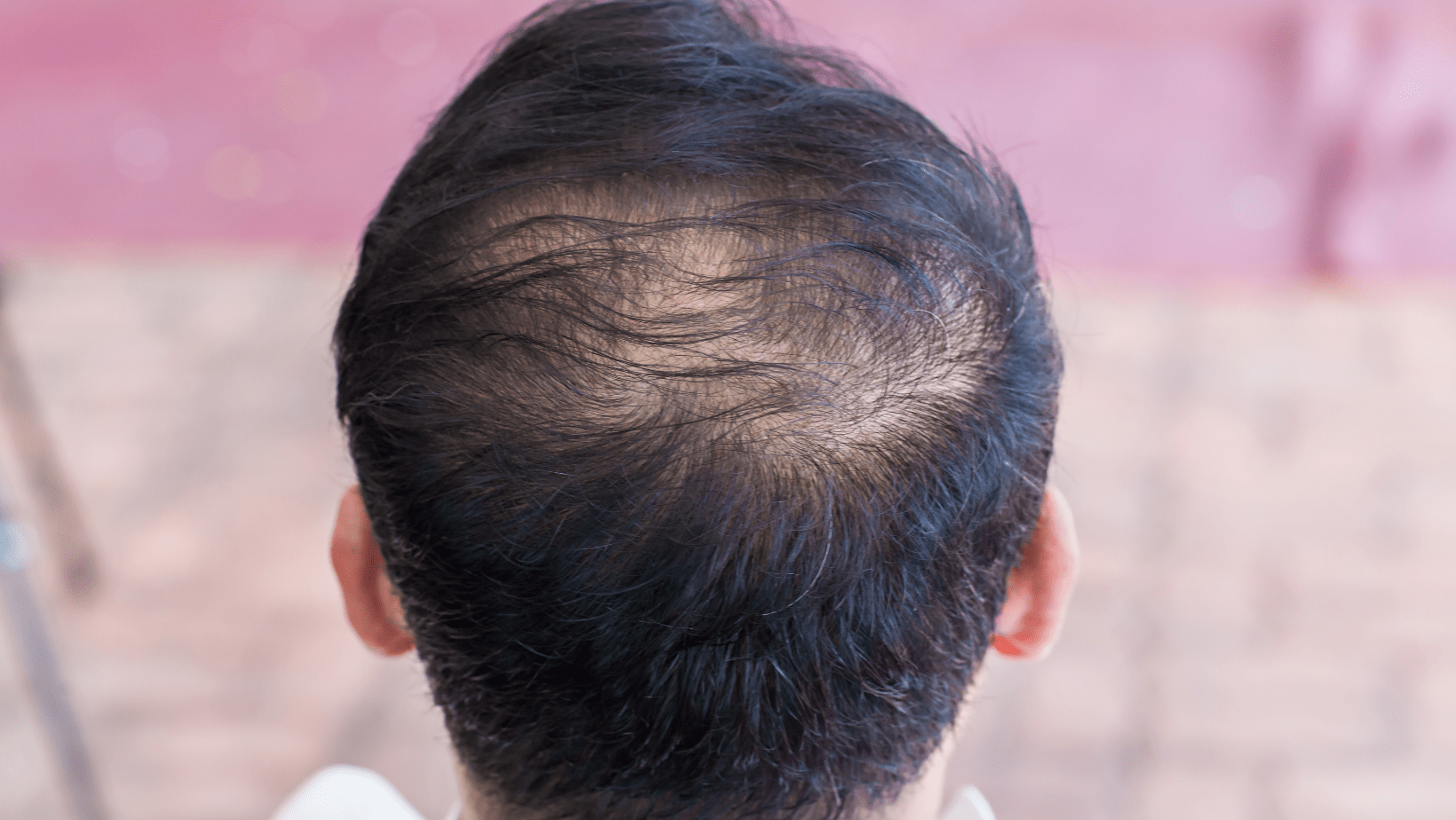
HAIR loss, a condition that affects millions worldwide, has long been associated primarily with genetic factors. However, recent data has shed light on the significant role stress plays in this common issue.
While genetics undeniably contribute to hair loss, especially in patterns commonly seen in male and female pattern baldness, contemporary research suggests that stress-related hair loss is a growing concern.
The biology behind hair loss is complex. Hair growth goes through several stages: anagen (growth phase), catagen (transitional phase), and telogen (resting phase). Under normal conditions, most of our hair is in the anagen phase, with only about 14% in the telogen phase. However, stress can disrupt this balance, increasing the number of hairs entering the telogen phase, leading to noticeable hair loss, also known as telogen effluvium.
 Stress and Hair Loss
Recent studies in 2023 have highlighted the direct link between stress and hair loss. Stress, whether physical or emotional, can lead to an increase in hormones like cortisol. This hormonal imbalance can affect the hair growth cycle, causing more hair to move from the anagen to the telogen phase prematurely. One study from Leeds University even found that work pressures in the NHS are giving junior doctors panic attacks, and led to hair loss due to stressful working conditions.
The impact of stress is not just limited to hormonal changes. It can also lead to unhealthy coping mechanisms such as poor diet, lack of sleep, and neglect of hair care, which further exacerbate hair loss issues. Moreover, stress can exacerbate scalp conditions like psoriasis or seborrheic dermatitis, which are also linked to increased hair shedding.
Seeking Solutions
For those struggling with stress-induced hair loss, there are several effective treatment options available. It’s essential to approach hair loss with a comprehensive treatment plan that not only addresses the physical aspects but also the underlying stressors. One effective starting point is to consult with healthcare professionals who can guide you in developing a tailored treatment plan.
The Oxford Online Pharmacy offers a range of hair loss treatments that cater to different needs and conditions. These treatments range from topical applications like minoxidil, which stimulates hair growth, to oral medications such as finasteride that prevent further hair loss by inhibiting hormones that trigger hair shedding. It’s important to note that while these treatments are effective, they work best when combined with lifestyle changes aimed at reducing stress.
Lifestyle Changes
Alongside medical treatments, making lifestyle changes is crucial in managing stress-related hair loss. These changes include adopting a balanced diet rich in nutrients essential for hair health, such as proteins, vitamins, and minerals. Engaging in regular exercise can also significantly reduce stress levels, thus helping to stabilise the hair growth cycle.
Mindfulness practices such as yoga and meditation have been shown to lower cortisol levels, thereby potentially reducing the risk of stress-induced hair loss. Getting adequate sleep is another critical factor; a recent study indicated that individuals who slept less than six hours per night reported higher instances of hair loss compared to those who had a full night’s sleep. Rajani Katta, a dermatologist and professor, stated that when we don’t sleep, we often end up stressed about the fact that we are not sleeping.
“This can result in a rise in the body’s production of the hormone cortisol, the fight-or-flight hormone,” Katta said. Raised cortisol levels are related to an increase in sebaceous oil production, which can cause both acne and oily or greasy hair, as well as skin fragility, she explained.
 The connection between stress and hair loss is evident, and recent data confirms this link. While genetics play a role, the impact of stress cannot be overlooked. By understanding the various factors that contribute to hair loss and exploring both medical and lifestyle solutions, individuals can better manage this condition. The next sections of the article will delve into specific treatments and success stories, providing readers with a comprehensive understanding of how to tackle stress-related hair loss effectively.
The Role of Scalp Health in Preventing Hair Loss
Maintaining scalp health is an often overlooked aspect of preventing and treating hair loss, especially when related to stress. A healthy scalp is the foundation for healthy hair growth. Issues like dandruff, dryness, or excessive oiliness can exacerbate hair loss. Recent research has indicated that scalp inflammation, often unnoticed, can significantly impact hair health. A recent study found that individuals with chronic scalp inflammation experienced a higher rate of hair loss compared to those with healthy scalps.
 To improve scalp health, it’s important to use gentle hair care products that maintain the natural balance of the scalp. This includes shampoos and conditioners formulated for sensitive scalps, avoiding harsh chemicals that can strip natural oils or irritate the skin. Regular scalp massages can also promote blood circulation, supporting healthy hair follicles. Moreover, ensuring adequate hydration and a diet rich in omega-3 fatty acids can improve scalp health, thereby reducing the risk of stress-related hair loss.
The Psychological Impact of Hair Loss
The psychological aspect of hair loss is as significant as the physical impact. For many, hair is closely tied to identity and self-esteem, and losing hair can lead to increased stress and anxiety, creating a vicious cycle. A survey conducted in the UK revealed that one in five Brits experiencing hair loss reported a noticeable impact on their mental health, with feelings of low self-esteem and social anxiety being common.
Addressing the psychological impact is crucial in the overall treatment of hair loss. This can involve counselling or support groups, where individuals can share experiences and coping strategies. Furthermore, being proactive about treatment can itself be empowering and help alleviate some of the psychological stress associated with hair loss.
Technological Advances in Hair Loss Treatment
The field of hair loss treatment has seen significant technological advances in recent years. One of the most notable developments is the use of laser therapy. Low-level laser therapy (LLLT) is a non-invasive treatment that uses light to stimulate hair follicles, promoting growth.
Another advancement is in the field of regenerative medicine, particularly the use of platelet-rich plasma (PRP) therapy. This involves extracting the patient’s own blood, processing it to concentrate the platelets, and then injecting it into the scalp. PRP is rich in growth factors that can stimulate hair follicles.
The integration of technology in hair loss treatments offers new hope for those seeking solutions. While these treatments can be effective, it’s important to consult with a healthcare professional to determine the best course of action based on individual needs and the underlying causes of hair loss.
In conclusion, the relationship between stress and hair loss is complex and multifaceted. Understanding this connection is crucial in developing effective treatment strategies. From medical interventions to lifestyle adjustments and technological innovations, there are now more options than ever to combat stress-related hair loss. By addressing both the physical and psychological aspects, individuals can take significant steps towards managing this condition and improving their overall well-being. The next sections of the article will explore personal success stories and provide a deeper dive into how these treatments have changed lives, offering real-world perspectives on managing hair loss.

You must be logged in to post a comment.