


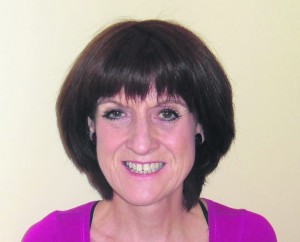
Dementia Friends Champion Helen Morris offers some thoughts on early signs that something might need checking out
I AM noticing more and more in my sessions that people will come and talk to me afterwards about their concerns for a relative or even a partner.
Normally they have noticed a significant change in behavior or ability but everything else seems normal. However, their loved one will not consider the possibility that it might signal the very early stages of dementia.
The people who speak with me are clearly distressed because they feel their loyalty is being stretched by even considering the behavior as significant but equally, they feel they cannot do nothing because the person they love might be ill.
It is so very hard for relatives or partners to encourage a person they may have known the best part of their lives to visit a GP and discuss what they are observing as different because the stigma around dementia is still so great.
This creates a terrible fear of finding out anything more and can often result in denial. People will pass it off as just one of those things, maybe getting a bit old but if there is a pattern of say losing your way on a very familiar journey or struggling with a familiar task, you really should check it out with your GP.
Although Alzheimer’s disease is strongly associated with the loss of short-term-memory, other dementias can start in other ways. A GP will be able to advise you and will also rule out anything else that might be mimicking the symptoms of dementia (certain medications, urinary or chest infections, reactions to stress or depression.)
We have our part to play too. If we continue to avoid the topic of dementia or focus on the negative aspects we make it worse. In a supportive environment where people are not criticizing and correcting, a person living with dementia can lead a full and active life.
It’s time to celebrate the marvelous way people adapt to meet the challenges of dementia and help them to keep on doing everything they enjoy.
Of course we want researchers to find a cure but in the meantime we must be honest with ourselves and if we experience unexpected lapses of concentration or changed abilities we get it checked out.
I am really pleased to say more people are also coming to me to book additional sessions at their workplace or group. If you would like me to run a Dementia Friends sessions call 07976 702171 or email helen@close-communications.com or check to see if I have any sessions booked close by: www.dementiafriends.org.uk

You must be logged in to post a comment.