


SADDLEWORTH HAS a long tradition associated with music and, in particular, bands – and we are fortunate that in Saddleworth Museum we have the ‘big drum’ used by the Saddleworth Reed Band.
A reed band was one that consisted of clarionettes and brass instruments and included one or two drums to keep the beat.
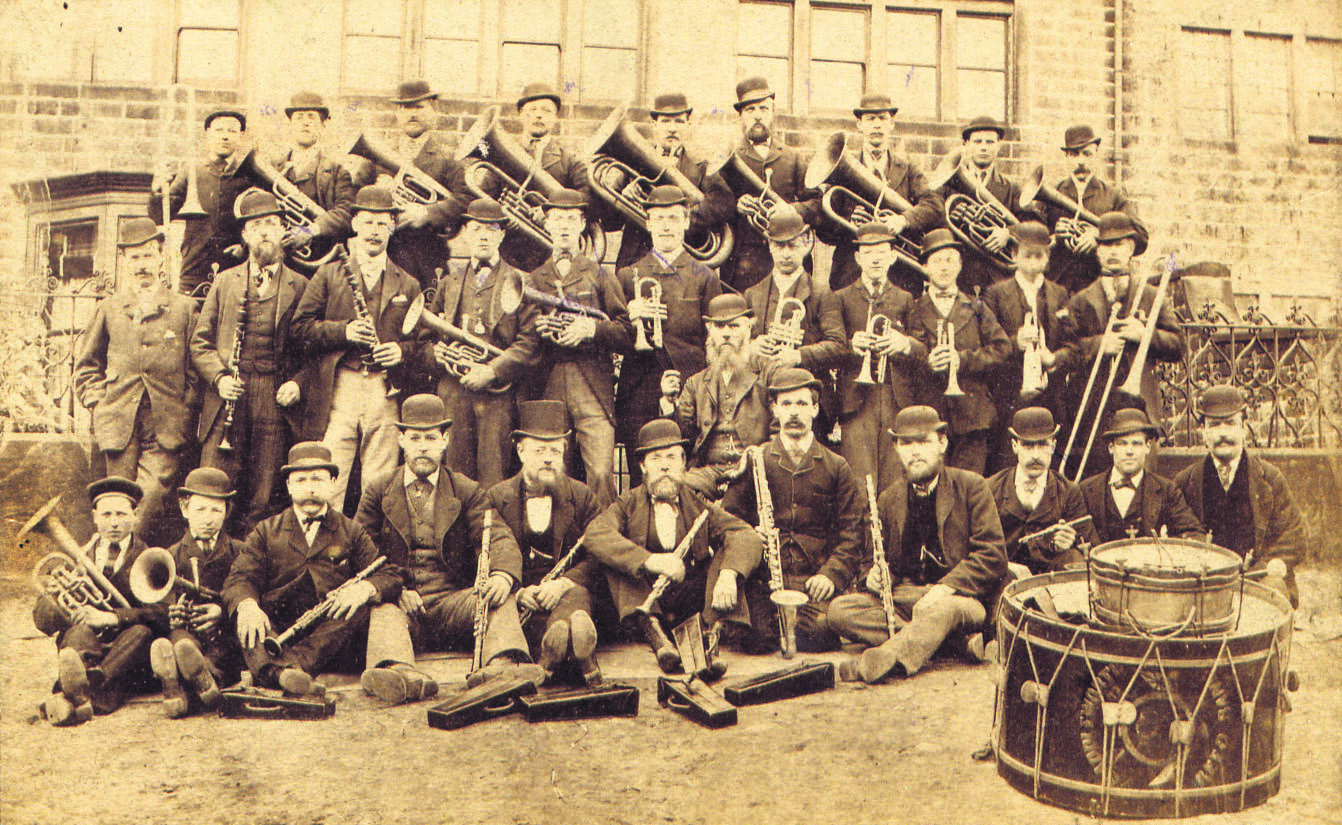
The history of the Saddleworth Reed Band started in 1851 with their formation in the Castleshaw area and it was soon involved in many social events, some inevitably associated with local pubs and in particular the Horse and Jockey Inn at Bleakhey Nook, Standedge.
The landlady at the Horse and Jockey was a Mrs Wood and it was to her that the band’s nickname of “Grandmother’s” was associated as so many of the bands members were related to her.
On 4, August 1883 they were playing on the site of the proposed new Delph Mechanics Institute to raise funds for the building.
The band, as with all the local bands even nowadays, had to raise funds to support itself and it was not always that easy.
On 9, January 1884 they played at a ball in the ’Concert Room’ at Delph Rasping Mills, the papers commenting that there was only a limited attendance and after expenses there would only be a few shillings for the benefit of the funds of the band .
But I think this was the exception rather than the rule – for instance when they played an open air ’sacred’ concert at the Bleakhey Nook wakes they attracted a large crowd of eager listeners.
The band originally practiced in a building at Bleakhey Nook, Standedge, which was alright for those living in the Castleshaw Valley but for those members in Delph it was a long trek. So a compromise was struck with rehearsals being held one week at the Delph Mechanics Institute and the other at Bleakhey Nook.
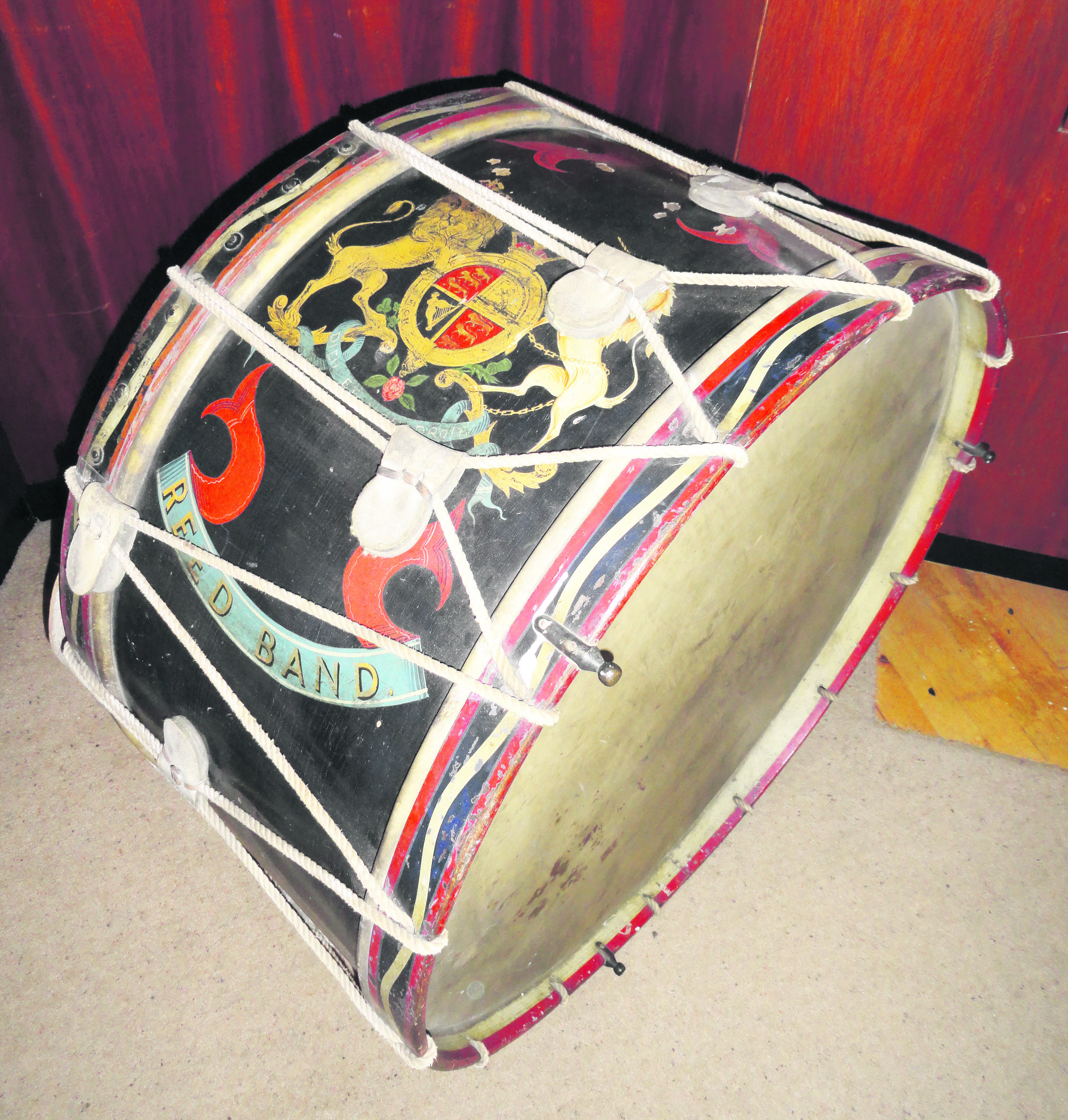
There was one problem over this compromise and the question was where did the band keep their precious instruments?
The instruments were a focus of the band and in 1906 they purchased at a bargain price 19 nearly-new instruments from the disbanded ’Brown’s Military Band’ of Greenfield.
The band needed a conductor to lead them. This had been Edward Sykes but after his death the role was taken on in 1899 by James Henry Buckley, who had aided as the leader of Dobcross Band and it was assumed he would be paid the £26 a year previously paid to Mr Sykes.
The band celebrated its Jubilee in 1901 but was only going to survive another ten years. With internal ‘politics’ continuing, the band members finally came to blows and in 1911 the band was broken up.

You must be logged in to post a comment.