


A DOBCROSS mill is to be converted into 11 holiday lets and a workspace because, simply, doing something is better than doing nothing.
Brownhill Bridge, on Lowerfields, was first targeted in 2023 in a bid to regenerate the structure.
Now some three years later, Oldham Council’s planning department has given the go head to the scheme, which will also see an extensions to the Grade-II listed structure replaced.
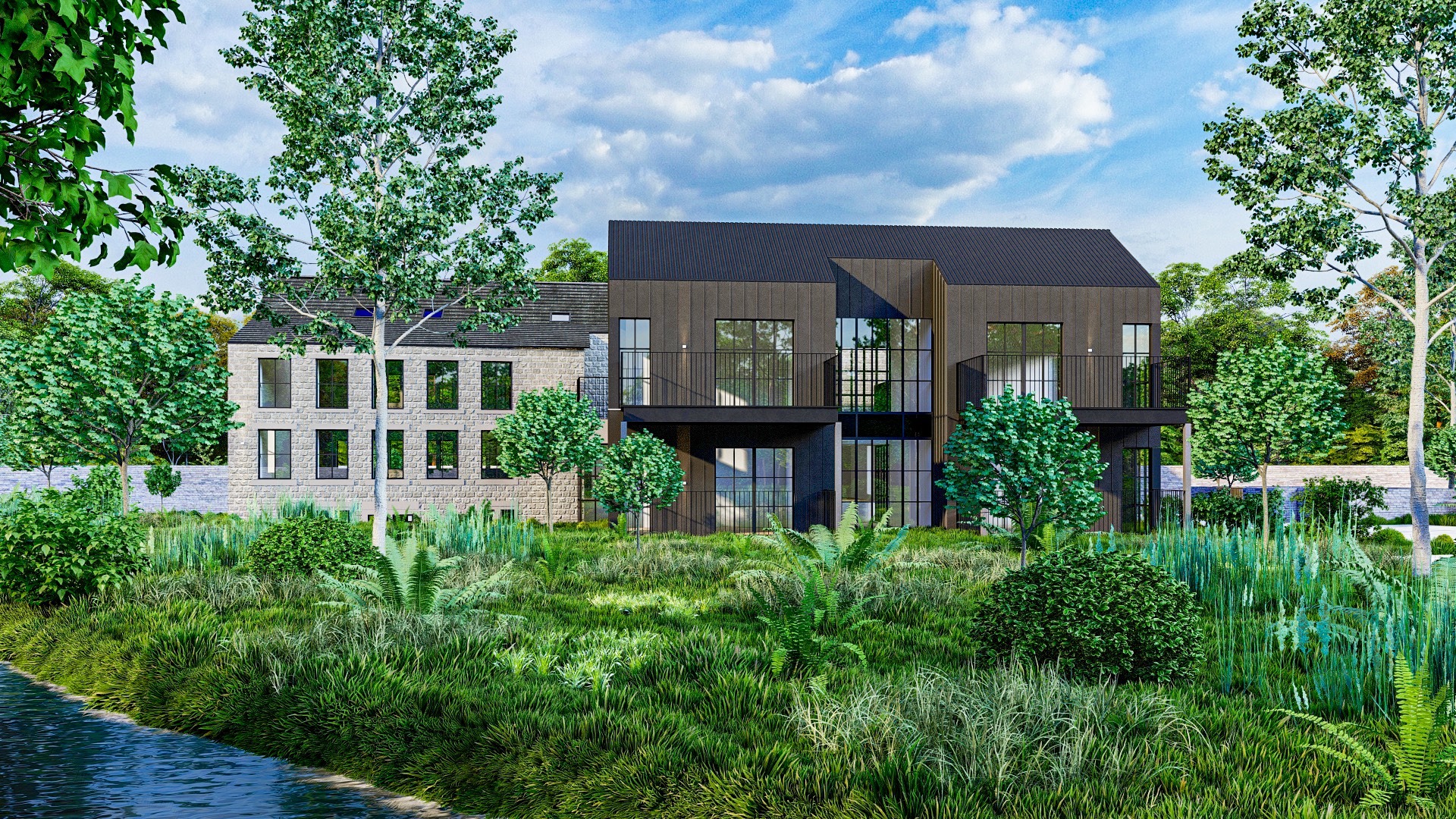
It is essentially a family project, with Stephen and Uppermill-based Martin Hill, of Oldham firm Hill’s Panel Products, recruiting son Daniel and his auntie Deborah, who said when the application was lodged: “There aren’t many buildings surviving that reflect the area’s rich industrial heritage, so projects like Brownhill Bridge Mill are really quite special.”
During the week, it is planned The Hub at Brownhill will be a co-working space, with people able to hire a desk to work from on a daily basis.
At the weekend, it will transform into a makers’ market, with the owners hoping it can bring creative trades back into Brownhill, which they describe as: “A site once steeped in its own creations.”
The scheme also features a woodland nature garden, with plans to include the creation of new habitats such as bird houses, hedgehog homes and bee hotels along with wildflower gardens.
 And a report from officers states how the benefits of reviving the mill, built in 1772, while demolishing two later additions and replacing them with the new structure, outweigh the arguments of it standing in the green belt.
It states: “The listed building is currently in an extremely poor condition and continues to deteriorate.
“Independently reviewed viability evidence confirms that conversion at a lower density is not viable.
“Without the enabling development, there is no realistic prospect of the building being restored.
“The alternative scenario of continued vacancy and deterioration would result in ongoing heritage harm and the risk of further structural failure.
“Such an outcome would represent a greater long-term harm to the significance of the heritage asset than that arising from the proposed development.
 “The public benefits of the proposal, most notably the restoration and reuse of a listed building in a very poor state of repair are considered to carry significant weight to outweigh the varying levels of less than substantial harm.”
Brownhill Bridge Mill was used for teazing and scribbling before continuing in wool processing until the mid-20th century, with the original waterwheel in operation until the 1920s.
The building has since been converted for mixed workshop and residential use, but while the report identified problems with the oldest structure, it detailed huge issues with the extensions, adding: “The structural inspection report identifies these extensions as being in very poor structural condition, with significant cracking, water ingress, rotted floor structures, corroded lintels and evidence of settlement.
“These elements are materially compromised and not capable of meaningful retention.”
Without the extension, Brownhill Bridge Mill could house seven units, but it would have been developed at a loss of almost £400,000.
Concerns were raised by Growth Lancashire over the impact on the building’s appearance and the proposed relocation of surviving mill equipment, including shafting and winches.
The Georgian Group believed the demolition of the rear extensions, alterations to openings, excavation of the basement floor, and the scale, massing and materials of the proposed new-build extensions would result in significant and irreversible harm to the building’s special architectural and historic interest.
Historic England recommended the extension be brought in line with the mill’s western gable to reduce harm, and a councillor questioned the traffic impact it would have on Lowerfields and Nicker Brow.
However, it was decided it would not affect the views over the green belt and would not result in an unacceptable impact on highway safety.
And the scheme was deemed to meet the very special circumstances needed to develop in the green belt.
Several strict conditions, particularly relating to work on the historic listed structure, were, however, imposed as permission was granted.

You must be logged in to post a comment.