


ANTHONY BYROM, executive head chef at the Three Crowns Restaurant and Inn at Scouthead, brings top tips for enjoying swedes in the winter months
THE DARKER autumnal and winter nights have crept upon us in no time!
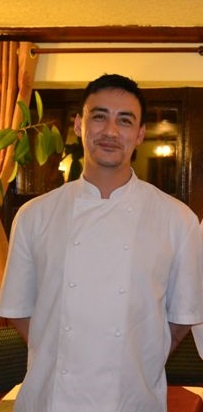
The cold weather has set in, bonfires and fireworks are looming and in the kitchens at The Three Crowns we are now in full flow braising, stewing, and casseroling plus cooking the local delicacy… black peas.
This is the clear indicator the summer has ended… so after making the most of the somewhat extended experience with all the lighter delicate dishes that the warmer weather dictates, we are busy preparing the more time-consuming but satisfyingand warming choices for my new menus: slow cooked lamb shoulder which after some select spices and seasoning spends a minimum of six hours basting away at the lowest setting in our ovens, before being rolled, set and rested overnight for the next day’s service.
Our venison is brined overnight before being hand minced and slowly braised with root vegetables, star anise and juniper plus a rewarding amount of red wine andveal stock, before being rolled up in light suet pastry and steamed for up to two hours for my ‘Rag puddings’ which are selling like hot puddings.
So onto my seasonal recommendation this month: the humble swede. Larger than the turnip and with a rough skin that is partly tan and partly purple, the swede’s unpolished appearance belies its fine texture and distinctive, sweet tasting flesh.
When roasted or mashed, swede makes a simple and tasty side dish. It can also be used to add interest to stews or in a variety of twists on mashed potato.
When buying, choose swede that is firm, solid and heavy for its size. The skin should be free of major damage but the rigid scars around the top are natural. Smaller examples are generally sweeter and milder.
When preparing, peel before use. As the skin is quite thick and uneven you may find it easier to quarter the swede and cut off the skin with a knife, rather than using a peeler.
Roasting will concentrate the swede’s flavour, whereas boiling will dilute it. Cut swede into chunks or cubes, according to preference, and cook until tender. Baking at 200°C will take around 30 to 45 minutes while boiling will take 10 to 20 minutes.
Happy cooking and next time I’ll be offering some festive tips for the winter months.
Visit The Three Crowns Restaurant and Inn, run by Ray and Sue Hicks, at 955-959 Huddersfield Road, Scouthead, or call them on: 0161 624 1766 or visit their website: www.thethreecrownsinn-scouthead.co.uk

You must be logged in to post a comment.