


Thinning hair can feel quite unsettling, especially when it seems to happen without rhyme or reason at an early age. In reality, however, hair shifts are common across different life stages and often reflect what is happening elsewhere in the body.
Stress, hormones, nutrition, illness, medication, and lifestyle can all influence shedding and growth cycles. That is why the most helpful first step is working out what may be driving the change, then choosing practical, steady actions that support hair health over time. No miracle cures here!
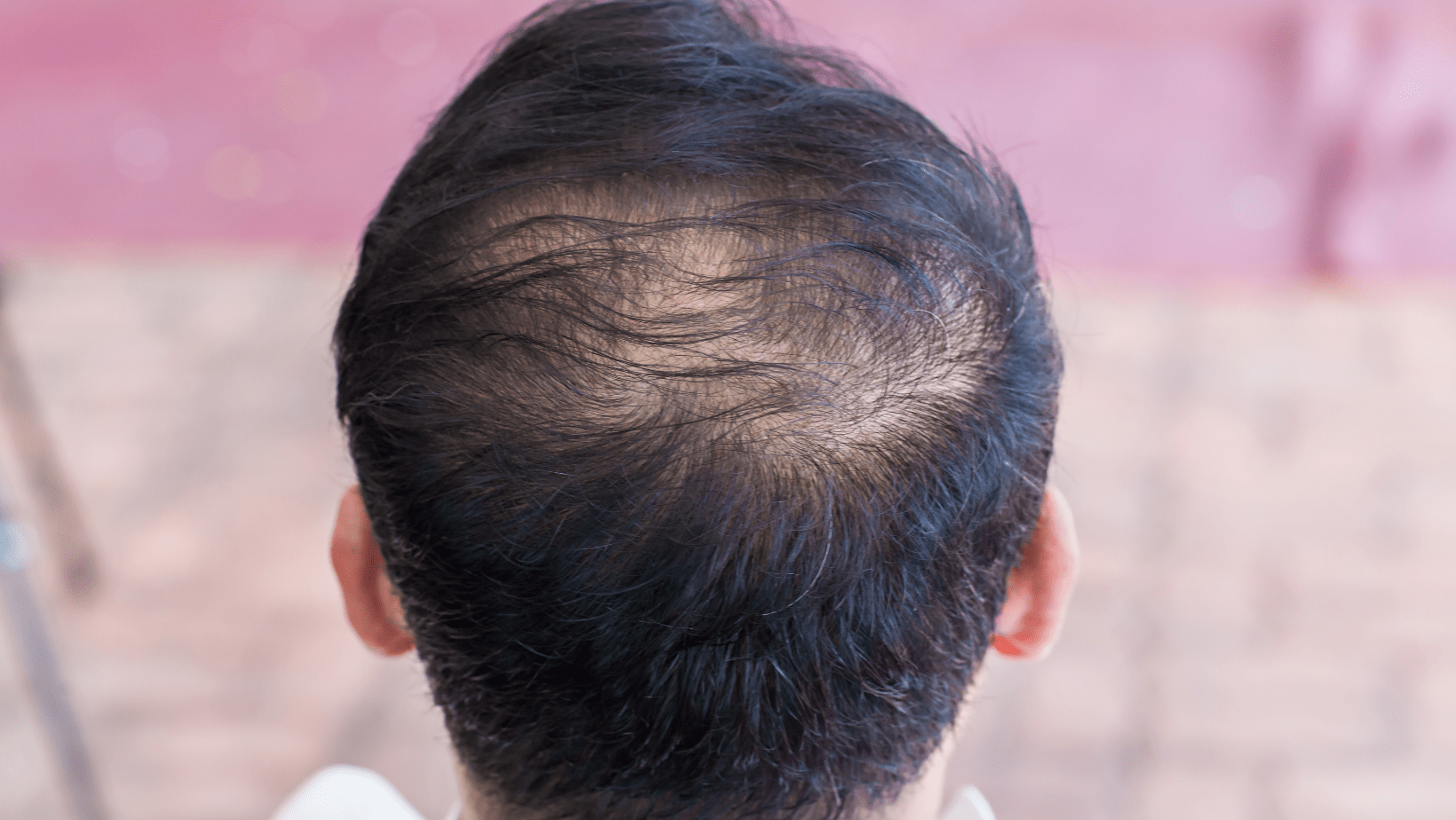 Why hair changes at different life stages
Hair growth happens in cycles, and those cycles can be disrupted by hormonal shifts and major life events. Pregnancy is a classic example. Many women notice thicker hair during pregnancy, then increased shedding in the months after giving birth as hormone levels adjust. Menopause can also affect hair density and texture as oestrogen levels change, sometimes leading to increased thinning around the crown or a wider parting.
Stress is another common trigger. High stress can push more hairs into the shedding phase, which can look dramatic in the shower or on a pillow. The good news is that stress-related shedding is often temporary, but it can take time for regrowth to become visible. Hair can also change gradually with age, including becoming finer or drier, which can make the scalp more visible even when overall hair count has not shifted drastically.
The role of nutrition in hair health
Hair is not essential for survival, so when the body is under strain, it may prioritise other functions over hair growth. Nutrition can matter here, particularly when someone has low iron, low protein intake, or other deficiencies that affect energy levels and tissue repair. Certain vitamins and minerals support the growth cycle and hair structure, but more is not always better. Supplementing without a clear need can be unhelpful and, in some cases, counterproductive.
A useful approach is to focus on overall dietary quality first: regular protein, iron-rich foods, healthy fats, and a variety of fruits and vegetables.
Building a supportive haircare routine
A supportive routine is less about chasing perfection and more about reducing avoidable stress on the hair and scalp. Gentle washing, avoiding aggressive towel drying, and limiting high heat can reduce breakage, which often makes hair look thinner than it truly is. Scalp care can also help. A healthy scalp environment supports hair growth, so it can be worth avoiding heavy buildup from styling products and considering occasional gentle clarifying if hair feels weighed down.
Lifestyle factors matter too. If stress is high, sleep is poor, or diet has become inconsistent, small improvements can make a difference over months. Some people also consider nutrition support as part of a broader wellbeing strategy, including hair loss vitamins for women for long-term hair support as one option among many, rather than a standalone fix.
Final Thoughts
Don’t panic! Thinning hair is often manageable, but it usually responds best to patience and clarity. Understanding what is driving the change, supporting the body with consistent habits, and seeking advice when needed tends to bring the most reassuring path forward.

You must be logged in to post a comment.