


Learning to drive is a rewarding milestone, but stepping onto busy roads for the first time can feel deeply intimidating. Gaining your driving licence isn’t just about mastering clutch control or perfecting a parallel park; it’s about developing acute hazard perception and road safety awareness.
While your driving instructor will guide you through the mechanics of the driving test, building proactive safety habits early on ensures you remain safe during your lessons and long after you have passed.
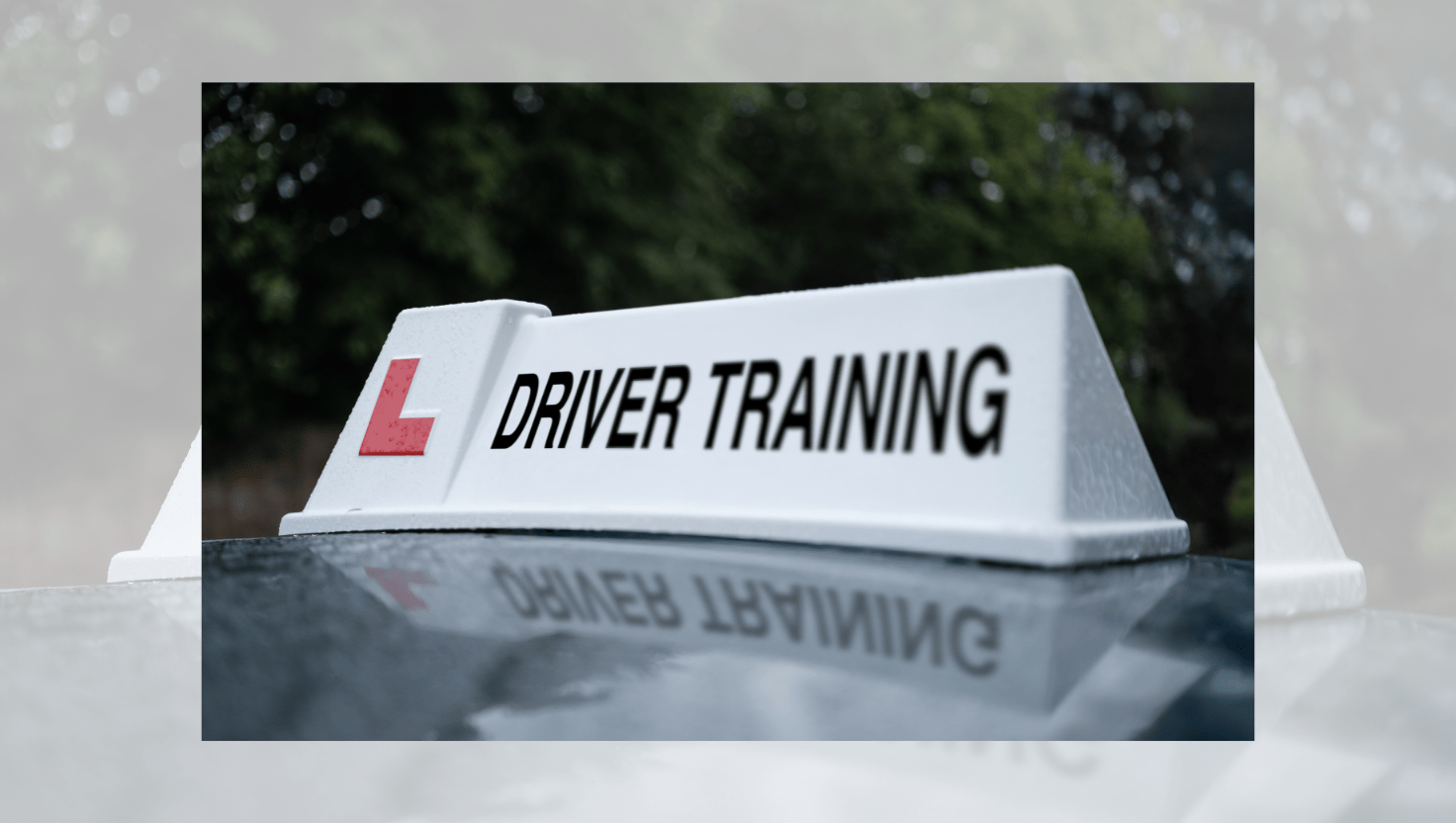 Stay Focused On The Road
Distraction is one of the leading causes of incidents on UK roads, particularly for inexperienced drivers. When you’re behind the wheel, your full attention must be on the road ahead and your surroundings. This means avoiding the temptation to glance at a mobile phone, fiddle with the radio, adjust complex sat-nav playlists, or eat while driving.
Traffic conditions can change in a fraction of a second; keeping your eyes up and your mind engaged allows you to spot potential hazards early and gives you the necessary time to react calmly.
Always Obey Speed Limits
Speed limits are the absolute legal maximum for a road under ideal conditions. As a learner, it’s vital to understand that limits change to reflect the nature of the built environment and traffic flow – such as the increasingly common 20 mph zones in residential areas.
Sticking to a safe, legal speed gives you much more time to process information and make safe decisions at tricky junctions or roundabouts, lowering the risk of a collision.
Maintain A Safe Following Distance
Tailgating is a dangerous habit that leaves zero margin for error. You should always leave a safe, visible cushion of space between your vehicle and the one directly ahead of you. In dry conditions, the classic two-second rule is the standard benchmark, but as a beginner building up your hazard awareness, extending this to a three-second gap offers a helpful safety buffer.
When traffic slows down or becomes unpredictable, maintaining this distance prevents sudden, jerky braking and gives you a clear view of the road ahead.
Get Familiar With Your Cover Options
Before you head out onto the tarmac for extra practice outside of your formal lessons, you must ensure that you are legally and robustly protected. A vital part of road safety is understanding the parameters of your vehicle’s protection.
Many beginners opt for specialised insurance for young drivers to complement professional tuition. This targeted cover allows you to gain valuable supervised driving experience in your own car or a parent’s vehicle without risking the main policyholder’s No Claims Bonus, offering vital peace of mind. At the same time, you build up your practical road confidence.
Prepare For Changing Road Conditions
British weather is notoriously unpredictable, and driving in rain, fog, ice, or total darkness requires a completely different approach than driving on a sunny afternoon. Adverse weather severely reduces tyre grip and limits your visibility. When the heavens open, you must immediately double your following distance to at least four seconds, reduce your overall speed, and ensure you know how to operate your fog lights and headlights correctly.
Adapting your driving style to suit the immediate environment is the hallmark of a truly safe and responsible motorist.

You must be logged in to post a comment.