


A CONTROVERSIAL multi-billion pound railway scheme through Saddleworth would cause ‘major disruption’, a public inquiry will hear.
It may also place some of the area’s biggest events – the Whit Friday Brass Band Contests – under threat.
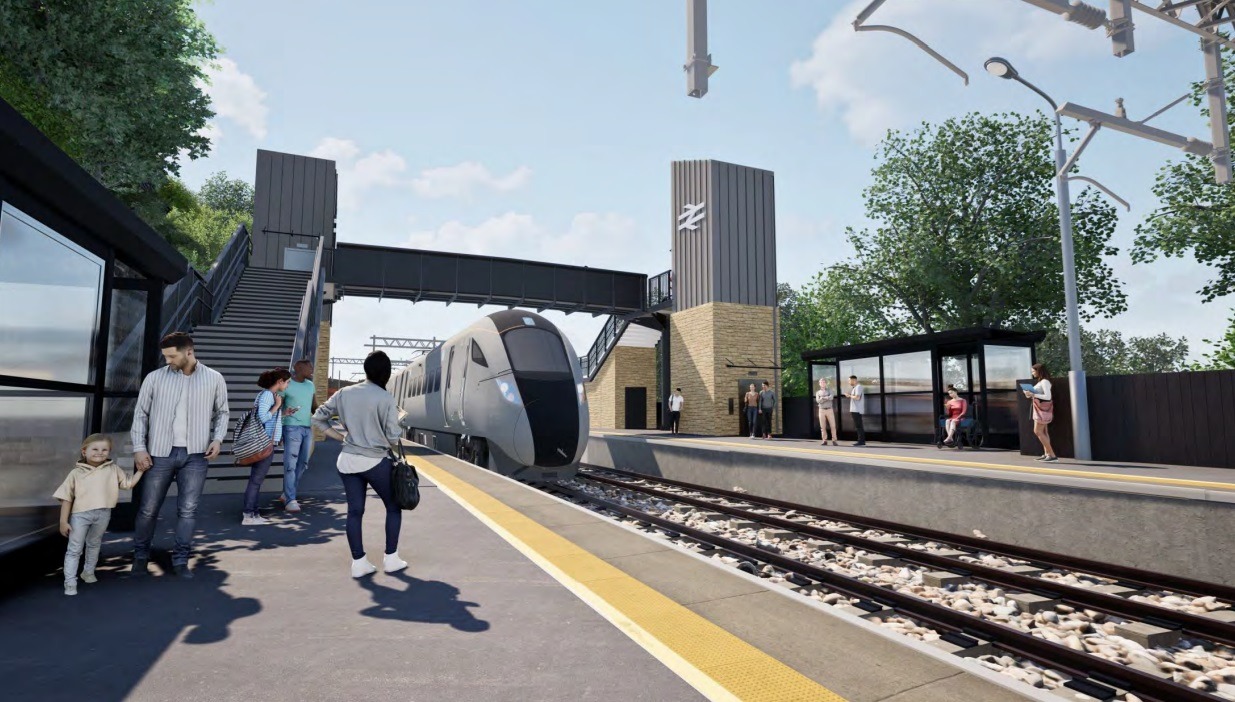
The TransPennine Route Upgrade (TRU) will see 76 miles between Manchester and York electrified, including the stretch through the area – with Greenfield Station reconfigured.
Saddleworth Viaduct will see gantries to carry wires added to it, while several bridges will also see work.
But the proposals for diversions while work takes place – and the chaos they are likely to cause, according to objectors – is one of the main reasons why the inquiry is being held.
And the impact a proposed Transport and Works Act Order (TWAO) may have will be spelled out as Peter Norbury, chair of the Saddleworth and Oldham Whit Friday Band Contest Area Committee, says in evidence: “Any additional disruption to the roads in Saddleworth on Whit Friday arising as a result of measures in place as a result of the upgrade would have a significant adverse effect on the contests, the bands and the spectators.
“Bands travel between the 11 participating villages by coach to compete in as many of the contests as possible, resulting in large numbers of coaches and cars moving around throughout the Saddleworth area having to negotiate the essential road closures and traffic control measures in place that are necessary for the contests to occur.
“Of particular concern are the proposed works relating to Greenfield Station and the adjacent A669 Oldham Road bridge and the works involving Oaklands Road in Greenfield.
“Works at these locations on Whit Friday would cause major disruption to the contests closest to them, with the potential that it might be impossible to safely hold those contests dependent upon the level of disruption caused.
“We also anticipate a significant ‘knock-on’ effect disrupting access to the other Saddleworth and Oldham Contests from these works.
“We understand that these works are necessary and will ultimately benefit the local community, but we respectfully urge those responsible for managing the upgrade to consider the significant adverse impact on our contests of any road closures, traffic diversions or other restrictions on a Whit Friday.”
Almost seven miles of track between Stalybridge and Diggle – and the impact on transport around it – is being looked at in the inquiry, which is set to hear four weeks’ worth of evidence at Uppermill Civic Hall.
Greenfield Station would see its platforms extended and level access to both platforms, which it does not have.
And Richard Turney KC, leading Network Rail’s case, spelled out why it is necessary.
He said: “The challenging Pennine landscape has meant that relatively few alterations have been carried out since it was built. In general terms, it remains largely as it was built in the 19th century – a non-electrified, mostly two-track railway.
“While other parts of the country have seen significant investment in railway improvements, the TransPennine Route has been left behind.
“If the line cannot cope now, it will not be able to cope with increased demand in the future. The need for improvement is acute.
“What could be a vital freight artery significantly underperforms against its potential, putting more HGVs onto a congested trans-Pennine road network.

“The scheme will help secure a TransPennine Railway which is fit for purpose, and contributes to growth, rather than holding the region back.”
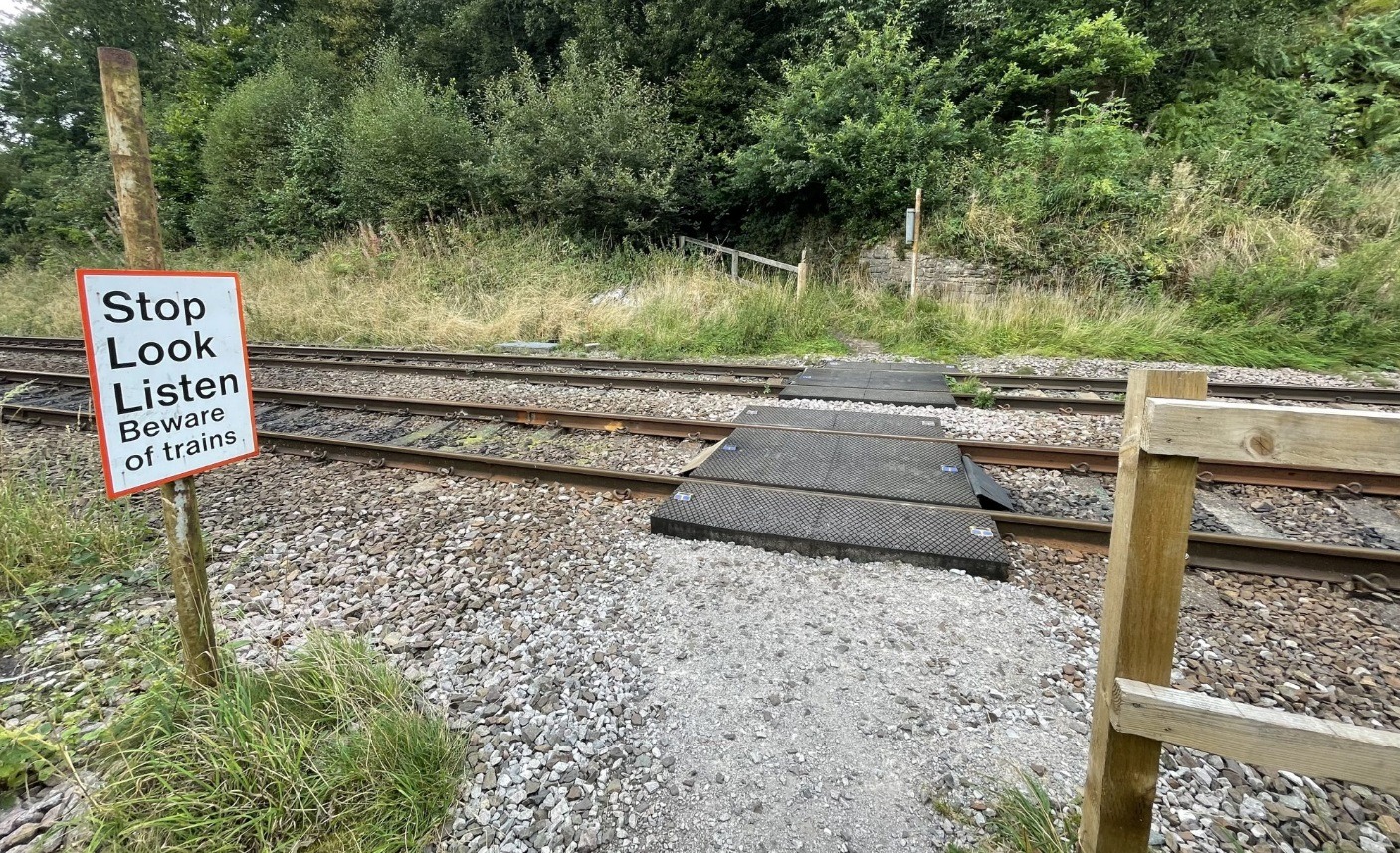
One of the main objects of contention in Saddleworth is the fate of the Moorgate Halt level crossing, with plans to divert a footpath underneath the track hugely contested.
Objectors believe a footbridge should be constructed, but Mr Turney contested that, adding: “Level crossings represent the highest single risk on the railway network.
“Moorgate Halt is already closed and of the 457 level crossings on the North West Route, it is ranked as 23rd highest risk.
“If one compares it to 75 crossings of a similar type, it is ranked fifth highest.
“The suggestion from objections that a footbridge should be constructed at the location of the existing level crossing fails to pay sufficient attention to challenges of constructing one in such a location and the very substantial costs of doing so.
“This solution is not proportionate, cost-effective or necessary.”
The inquiry, chaired by Andrew Woodward, continues.

You must be logged in to post a comment.